Author: admin

  • Who Are We Supposed to Praise Again?

    Something from our class that has stayed with me throughout the semester and will continue to influence me beyond the class is the initial reading we did: the excerpts inside the first Coles reading that quoted and discussed Let Us Now Praise Famous Men by James Agee. The self-hatred and guilt expressed by Agee simply for the act of doing documentary work was something I had never before considered. Of course documentary ethics were not entirely foreign to me, I understood that in journalism and documentation there was a certain level of self-scrutiny required to report on marginalized communities. But even with care, creating documentary work in the best interest of marginalized communities can often deal more damage than good. The descriptions Agee gave bled scorn, for himself, his audience, and the people who sent him to make the documentary in the first place, yet not those who propped up the institution of sharecropping in the first place. Perhaps Agee found this out of his control, and doing- or not doing- documentary work to be the one thing he could impact. Surprisingly, he found it damaging on a visceral level, almost predatory, in a way that has opened my eyes to the moral dilemmas that anybody who chooses to create art or document must face to have any sort of credibility in their work. As somebody with an interest in documentary-adjacent fields like journalism, especially as an active writer for the Muhlenberg Weekly, I found myself startled by Agee’s perspective and also intrigued to a level that has stuck with me ever since that second class in a way that will almost certainly carry over to my own work. 
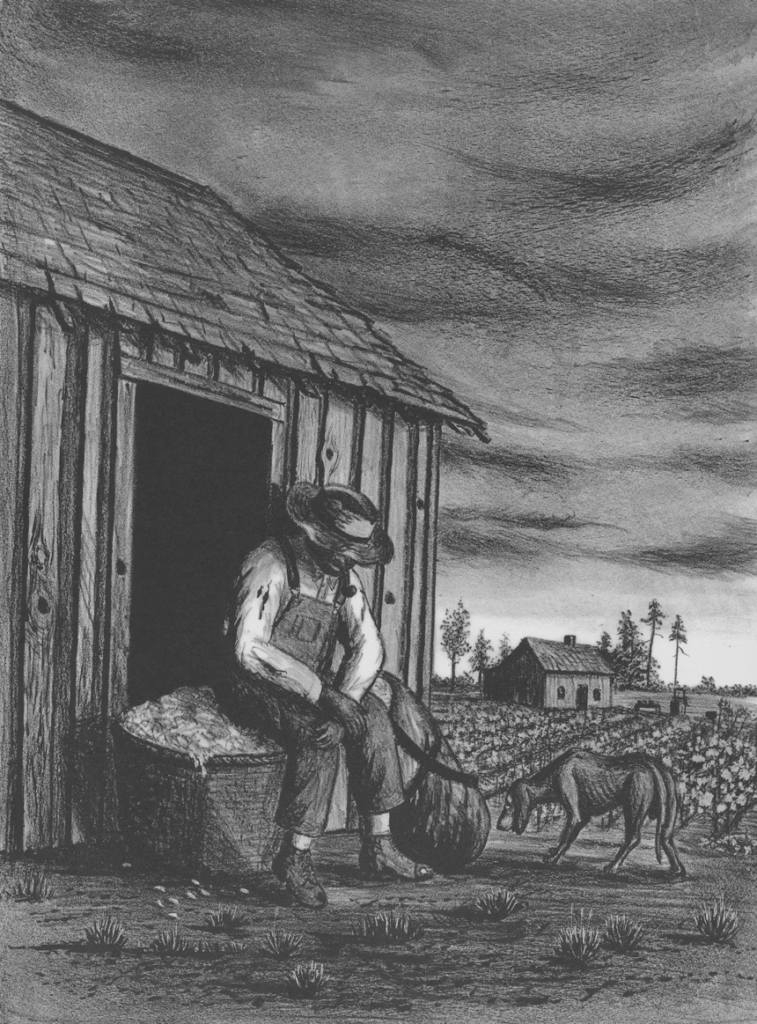
    Photo by The New York Public Library on Unsplash. Free to use under the Unsplash License.
    https://unsplash.com/photos/TozHpFdnRtw

  • Reflecting on “Better Living Through Sonic Excess”

    My documentary film places me in the location of a fan- somebody who lives and breathes music, specifically live music, and has found a sense of belonging in this environment. As a long-term fan of metal and other extreme genres, it’s often difficult to get people to understand why I like what I like. Instead of forcing it, I used imagery and descriptive language to help my audience see what I see the way I see it- the sensory experience that it is, that may be otherwise difficult to comprehend. This was the intention behind the psychedelic and highly colorful editing I used, as well as the repetition of certain concert clips. 

    The Ticketmaster/ticket pricing angle was something I knew would be important to a lot of people. Even though I am not a fan, many of my friends love Taylor Swift, and I saw through them how absurd ticket pricing has gotten, even in the mainstream. My interests falling on the niche side for the most part have allowed me to experience live music more than many people, and because I know my personal complaints won’t ever change TicketMaster policy, the best direction I could take for social change was pushing people to explore the fringes of the music they like, the less-listened to artists, and experiencing it through these shows.

    On a more subtle note, I chose to follow a thread of religious imagery throughout the film- my example for the art I’m interested in was my own work, a cathedral window painting, as well as my own cathedral photography and image from a concert in which the venue was a church. This was to play on the idea that the experience of live music as something sacred, and to subconsciously link the feeling of music with something so important and valued by society, leading to a stronger takeaway from the audience.

    The title of the film was also, in a way, quite personal- it was a fusion of the title of a Queens of the Stone Age song, the band responsible for the entire idea behind my film, and a Crowbar album, a band my dad and I frequently listen to together. This family aspect also worked to further the importance of what I was saying- the audience would be able to see that the music was important to me, but by including my relationship with my father, they could also understand why it was important.

    NOTE: I had to compress the file a LOT for it to fit as a file size that WordPress allows me to use. As a result, the quality of the video embedded has been seriously impacted.

  • “Yellow Brick Road to the River” Reflection

    My sixty second documentary, Yellow Brick Road to the River, is a meditation on the odd contradictions that constitute my hometown and my experiences there. The choices that informed my project in a visual sense revolved around creating a dreamlike atmosphere, a hazy fog that made it all feel a little less “real”- I leaned on this feeling of unreality as I felt as though it would be the best way for my audience to connect with my hometown. With elements of surrealism, I intended for the viewers to experience nostalgia and timelessness- pictures that felt like they could have been taken any time to fit with my unique childhood experiences. The background music was also used to contribute to this atmosphere- I picked a song that was unobtrusive but felt vintage and carried a certain level of auditory cracking and fuzz, as if it was emanating from an old record player. The segment where I talk about the contradictions of my hometown was also strongly influenced by visuals, where I tried to pick images that created an unbroken split image, keeping the visual line in the same place in a way that made the fade-ins-and-outs psychedelic. It was this segment that inspired the title of the piece, as a “Yellow Brick Road” evokes fantasy lands while the “River” implies a never-ending stream of water- the unbroken line of constant changes and movement. The project reveals my location as the belief that my hometown is best understood as otherworldly- there’s a fantasy aspect to the things I describe that would feel better suited to a town from another era, so I represent it through these qualities.

  • Mother Before Migrant: The Role of Respect in Dorothea Lange’s Photography

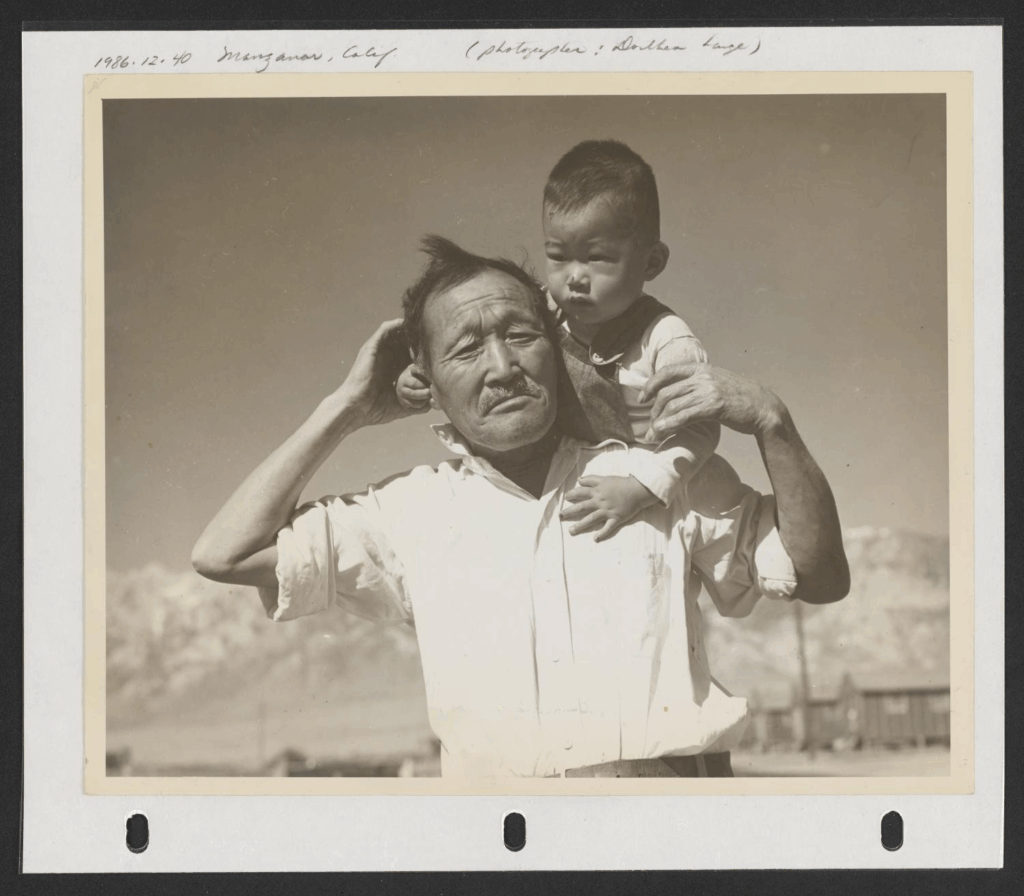
    Lange, from what I’ve seen and read, focuses a great deal on dignifying the people she photographs. Her subjects are almost always the beaten down, oppressed, or otherwise struggling members of society, from sharecroppers to the Japanese internment camp prisoners. Her definition of dignifying them does not include romanticizing their situations or making their lives seem any sort of better than they actually are, but in understanding that her subjects are worthy of respect in spite of it all. Her documentary photography was driven by this desire to make things better- in true documentary fashion, photographs can be a method of social change. By directing the gaze of the country to the people we don’t see or would rather ignore, Lange is telling us that we can and need to do something about the conditions her subjects are living in. Lange was disabled herself, “lame from an attack of polio at age eleven,”(Gordon 3) informing her worldview; the oppressed were not to be seen as weaker or “less than” simply because they had been cast aside by much of society. In the photograph I chose, A Life Beyond Limits, Lange focuses directly on her subject. In the background, you can tell that they are within an internment camp. There are fences and small housing units, but they are all blurred and out of direct focus: the forefront is the man and the child. He is not smiling, but he is in a position of dignity: he is standing and looking directly at the camera, making the audience aware of his autonomy. The hardness in his face is reminiscent of that shown in Migrant Mother. It is not something that the audience will pity, but respect, and in turn, feel a little more for the subject and his circumstances. Eventually, one of these observers may just do something about it.

    Gordon, Linda. Dorothea Lange : A Life beyond Limits. New York, Ny, Norton, Cop, 2009.

    “Manzanar, Calif. (Photographer: Dorothea Lange).” Digital Collections, 2019, digicoll.lib.berkeley.edu/record/292149?v=uv#?xywh=-659%2C78%2C2817%2C1458. Accessed 28 Oct. 2025.

  • Blog Post 3: “Stranger With a camera”

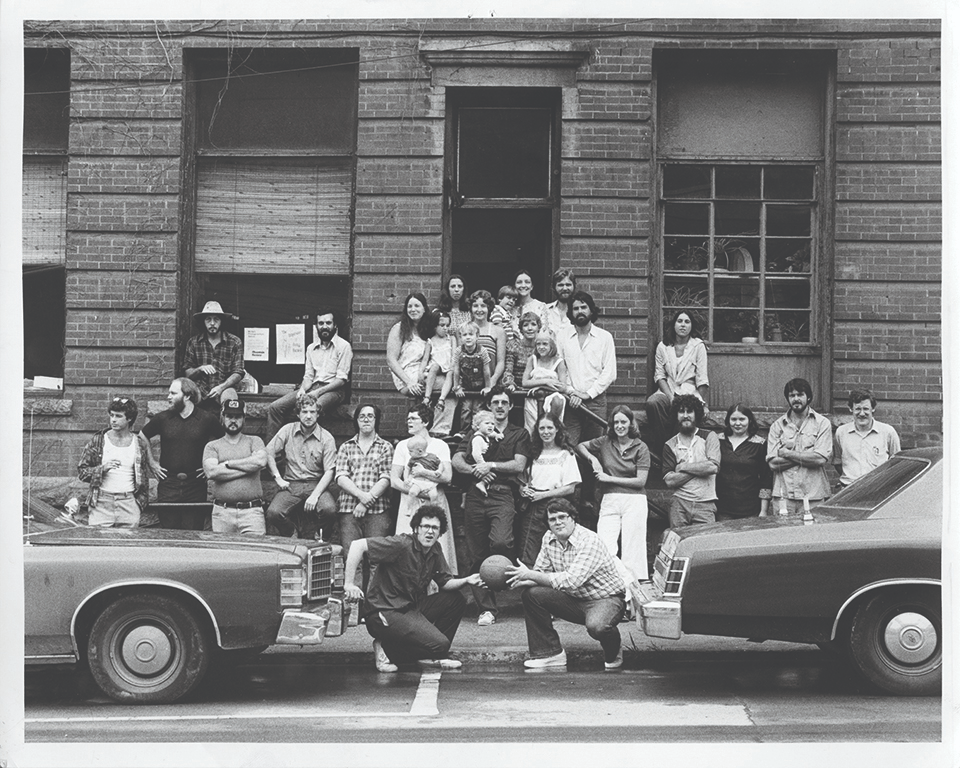
    One tension that is expressed in the film is when Richard Black, the camera man that witnessed the murder of Hugh O’Connor, is interviewed. This tension is related to creating a full picture of the events that took place even when everybody involved would have a different opinion on it. Hobart, for example, would surely feel different and tell the story of the murder in a different way than Richard Black did- but there is no Hobart interview, so the film needs to find a way to ensure that this moment is not the sole version of events. This leads to the striking scene switch where the moment immediately following is talking about the community fighting to pay Hobart’s bond and bringing him gifts. In a situation where getting all sides of the story is not feasibly possible, Barret uses the people around Hobart and on his side to specifically address the tension of being unable to reach the person she is documenting. 

    One section from Coles that illustrates a similar tension on page 93, where he describes the difficulty of “actuality”- how an experience could ever be objectively true when every individual has their own reality that interprets it differently. To address that tension, a documentarian must warp their definition of truth to fall outside of objectivity- creating a blended reality that may not line up with physical reality a hundred percent, but in a way, becomes “realer” because it allows for understanding the impact of the event, not the clinical actuality. Barret grapples with this by extensively incorporating the interview as a narrative tool- not just by people who were there for the murder, but by people who knew those involved, who understood the nuance to the situation beyond what a non-Appalachian audience could. However, she also recognizes her own position as one marked by privilege- while she was against stereotyping Appalachians as poor as she was not, she understands that other Appalachian people were, and they may understand Hobart’s motives better than she could, tying back to her use of interview rather than just including her own experiences in being a local.

    This photo features Appalshop, the Appalachian film studio/education center featured heavily in the documentary.

    Kraft, Chris. “Fifty Years of Appalachian Arts.” Garden & Gun, 4 Oct. 2019, gardenandgun.com/articles/fifty-years-appalachian-arts/. Accessed 15 Oct. 2025.

  • Blog Post #2: Location

    The moment I found particularly interesting was when William Carlos Williams described his experience with writing about the low-income families he encountered while practicing as a doctor. His writing would be in the form of recollection- writing from his home in Rutherford, an incredibly wealthy area, while remembering events from an impoverished town. The safety of the location he was in caused Williams to struggle with his writing, and the morality of the fact that he could simply leave when he was done gathering experiences, yet the people he was writing about were forced to remain there. This helps illustrate the idea of location through the problem of presence. When Williams is working as a doctor, he is participating in the lives of the subjects he writes about, but when he writes about them, he isn’t even in the same town as them. In describing location in this way, Williams and Coles show to me that location can be completely literal in meaning the actual place where documentary work is being done, a particular moment in time that cannot be replicated in words in a future tense. This description reminded me of an experience I had a few years back, when I went to a CSI camp at Stockton college. For one of the days, we visited a jail, a group of teenage girls being walked through the hallways by wardens and counseled. We were leered at and catcalled by the prisoners, yet a thick pane of glass separated us, and we were never really “there” with them- when we left, we really left, back to the freedoms and comforts of the dorms we were staying in. I imagined myself as a prisoner and how I would feel when I left, and when that day ended, so did my experience with that location. I couldn’t tell you half of what I saw that day, simply because I don’t remember, but also because it was just that: a day. This was not my life, and I would never be able to translate it in words like it was.

    harryhurley. “Here’s How Atlantic County, NJ Keeps Defendants in Jail Pending Trial.” WPG Talk Radio 95.5 FM, 29 Apr. 2025, wpgtalkradio.com/heres-how-atlantic-county-nj-keeps-defendants-in-jail-pending-trial/. Accessed 18 Sept. 2025.

  • Blog Post #1: “A Move”

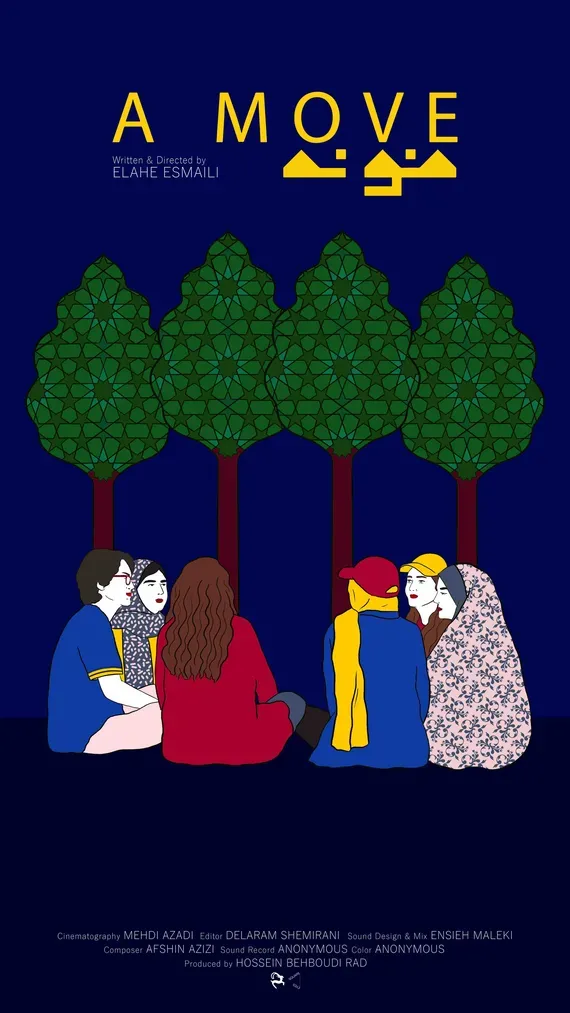
    The short film “A Move” by Elahe Esmaili uses the family unit as a microcosm of Iran as a whole, while noticeably allowing for “compromise,” marking the distinction between religion and regime. The home in this film is an extended family party, not the nuclear family of parents and siblings that western audiences, the primary consumers of the New York Times, typically view as members of the home. Therefore, the “home” becomes a sort of foreign territory for both the viewers and Esmaili herself, as these are not the people she lives with and sees on the regular- they are home in the same way Iran is home, and with that comes a certain level of oppression that you wouldn’t see in your own personal space. Her relatives are shown crying near the end as she refuses to obey, but the framing isn’t negative- they aren’t forcing her to cover her hair, but in not doing so, she is sinning in their eyes. This version of home, therefore, isn’t oppressive in the same way Iran is; her family has genuine concerns for her well-being. This point is made most explicit in the middle of the film during Esmaili’s conversation with Mr. Hossein. When asked if he is bothered by her not wearing a hat or hijab, he responds that “religion doesn’t force: if you don’t accept it, there’s no force.” (8:29). While he would prefer if she did cover her hair, there is no danger in refusing, unlike in the public sphere, where it is very possible that she would be arrested or murdered. The home, in Esmaili’s film, is therefore a safe place to protest- a resistance on a purely personal level, challenging the beliefs of civilians one at a time and starting with her family. This individual interview is the idea that framed the rest of the film. Shot from the side, slightly further from most of the other conversations, this scene felt more natural, the kind of “fly on the wall” that allows for people to share their honest thoughts without feeling intruded upon.

    Image credits: “A Move,” Pulitzer Center, https://pulitzercenter.org/projects/move