One tension that is expressed in the film is when Richard Black, the camera man that witnessed the murder of Hugh O’Connor, is interviewed. This tension is related to creating a full picture of the events that took place even when everybody involved would have a different opinion on it. Hobart, for example, would surely feel different and tell the story of the murder in a different way than Richard Black did- but there is no Hobart interview, so the film needs to find a way to ensure that this moment is not the sole version of events. This leads to the striking scene switch where the moment immediately following is talking about the community fighting to pay Hobart’s bond and bringing him gifts. In a situation where getting all sides of the story is not feasibly possible, Barret uses the people around Hobart and on his side to specifically address the tension of being unable to reach the person she is documenting.
One section from Coles that illustrates a similar tension on page 93, where he describes the difficulty of “actuality”- how an experience could ever be objectively true when every individual has their own reality that interprets it differently. To address that tension, a documentarian must warp their definition of truth to fall outside of objectivity- creating a blended reality that may not line up with physical reality a hundred percent, but in a way, becomes “realer” because it allows for understanding the impact of the event, not the clinical actuality. Barret grapples with this by extensively incorporating the interview as a narrative tool- not just by people who were there for the murder, but by people who knew those involved, who understood the nuance to the situation beyond what a non-Appalachian audience could. However, she also recognizes her own position as one marked by privilege- while she was against stereotyping Appalachians as poor as she was not, she understands that other Appalachian people were, and they may understand Hobart’s motives better than she could, tying back to her use of interview rather than just including her own experiences in being a local.
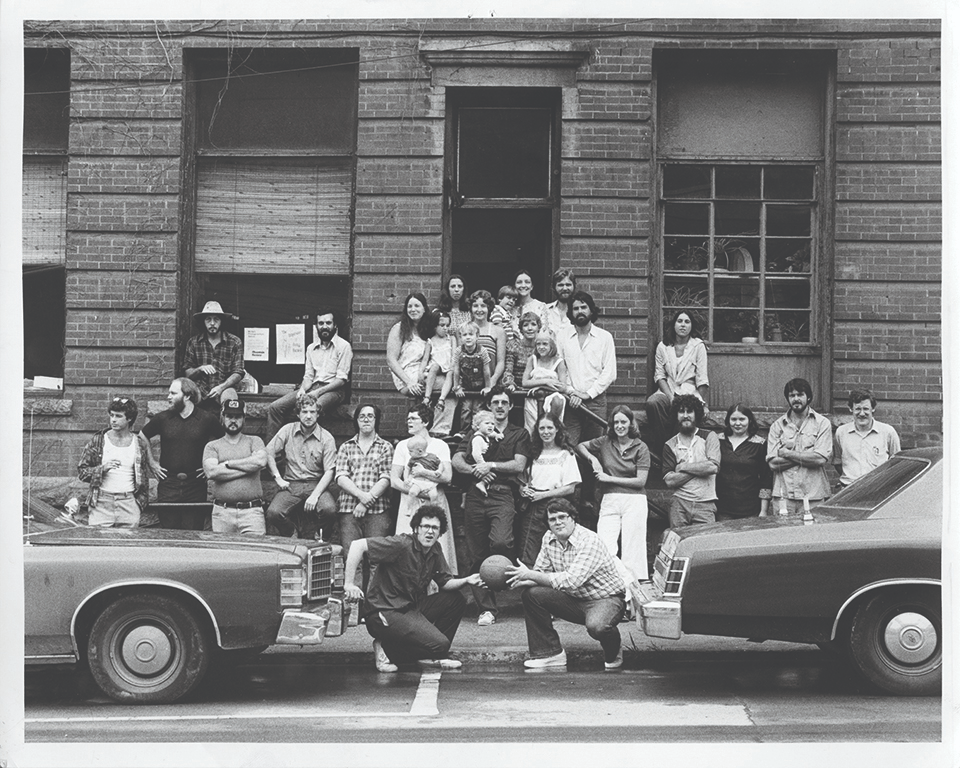
This photo features Appalshop, the Appalachian film studio/education center featured heavily in the documentary.
Kraft, Chris. “Fifty Years of Appalachian Arts.” Garden & Gun, 4 Oct. 2019, gardenandgun.com/articles/fifty-years-appalachian-arts/. Accessed 15 Oct. 2025.
Leave a Reply